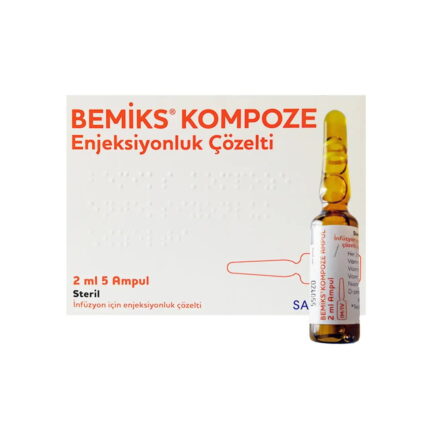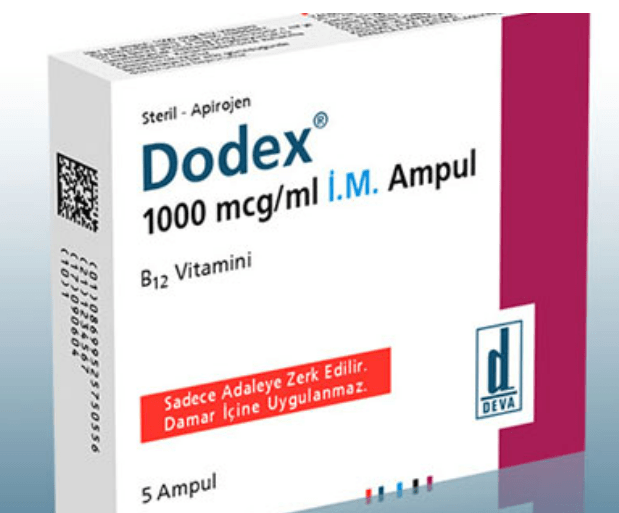
B12 Dodex 1000 mcg/ml x 5 Amps
£20.00
Dodex Vitamin B12, also known as cobalamin, is an essential nutrient that plays a crucial role in numerous bodily functions.
Importance of Vitamin B12:
Cell growth and development: B12 is vital for DNA synthesis and cell division, particularly in red blood cell production.
Nervous system function: It helps maintain the myelin sheath, a protective layer around nerve fibers, ensuring proper nerve signaling and cognitive function.
Energy production: B12 is a coenzyme involved in the metabolism of carbohydrates, fats, and proteins, contributing to energy production.
Mental health: B12 deficiency can impact mood, memory, and cognitive function.
Pregnancy and breastfeeding: B12 is crucial for fetal development and the production of breast milk.
Vitamin B12 Deficiency:
Causes:
Inadequate intake: Vegans and strict vegetarians are at higher risk, as B12 is primarily found in animal products.
Malabsorption: Conditions like Crohn’s disease, celiac disease, and gastritis can interfere with B12 absorption.
Autoimmune disorders: Pernicious anemia is a condition where the body attacks intrinsic factor, a protein required for B12 absorption.
Medications: Some medications, like proton pump inhibitors, can reduce B12 absorption.
Elderly: As we age, our ability to absorb B12 declines.
Symptoms:
Fatigue and weakness: The most common symptom due to reduced red blood cell production.
Pale skin: Reduced red blood cell count can make the skin appear pale.
Shortness of breath: Insufficient red blood cells can lead to oxygen deficiency, causing shortness of breath.
Paresthesia: Tingling or numbness in hands and feet due to nerve damage.
Mental health issues: Depression, anxiety, dementia, and cognitive decline can occur.
Gastrointestinal problems: Nausea, vomiting, diarrhea, and constipation are possible.
Sources of Vitamin B12:
Animal products: Meat, poultry, fish, eggs, and dairy products are excellent sources.
Fortified foods: Some breakfast cereals, plant-based milks, and nutritional yeast are fortified with B12.
Supplements: Vitamin B12 supplements are readily available in various forms like tablets, capsules, and liquids.
Absorption:
Intrinsic factor: B12 requires intrinsic factor, a protein produced in the stomach, for absorption.
Small intestine: After binding to intrinsic factor, B12 is absorbed in the ileum, the last part of the small intestine.
Diagnosis and Treatment:
Blood tests: Serum B12 levels are measured to diagnose deficiency.
Treatment: B12 deficiency is treated with injections, oral supplements, or nasal spray.
Recommendations:
Adults: Recommended daily intake is 2.4 mcg.
Pregnancy: The requirement increases to 2.8 mcg.
Breastfeeding: The requirement increases to 2.8 mcg.
Other considerations:
B12 deficiency is preventable with a balanced diet or supplementation.
It is important to consult a healthcare professional for personalized advice on B12 intake and supplementation.
Early diagnosis and treatment of B12 deficiency are crucial to prevent irreversible nerve damage.
This information provides a comprehensive overview of Vitamin B12. Remember to consult a healthcare professional for personalized advice on your specific needs.